How to Build 20 Pounds of Muscle Naturally (The Fastest Way)
Quick Answer
If you want to know how to build 20 pounds of muscle, the fastest path is to combine effective training volume, hard sets taken close enough to failure, smart exercise selection, the right calorie strategy for your body fat level and training age, enough protein, solid pre-workout fueling, and consistent recovery.
Key Takeaways
- Building 20 pounds of muscle naturally usually takes at least a year
- Training drives most of your results, especially volume, effort, and exercise selection
- More sets are not always better because returns drop off as volume climbs
- Training a muscle 2–3 times per week is often more effective than cramming volume into one session
- Higher-body-fat lifters can often make excellent progress with recomp instead of bulking
- Protein matters, but training and total calories matter more
- Creatine can help, but it is optional and not the main driver of muscle gain
- Sleep quality plays a real role in recovery, performance, and long-term progress
If you’re trying to figure out how to build 20 pounds of muscle naturally, the fastest path is not more supplements or more random workouts. It’s smart training volume and intensity, the right calorie strategy for your body fat level and training age, enough protein, better pre-workout fueling, and recovery you can actually sustain. Naturally, that process takes at least a year for most people — but done properly, it can transform your body far more than most lifters ever achieve.
If you’re skinny, skinny-fat, or overweight, gaining 20 pounds of muscle can completely transform your body.
Even 5 pounds of muscle can make a visible difference. Ten pounds changes your shape even more. But once you get into the 15-to-20-pound range, the transformation is dramatic no matter where you started.
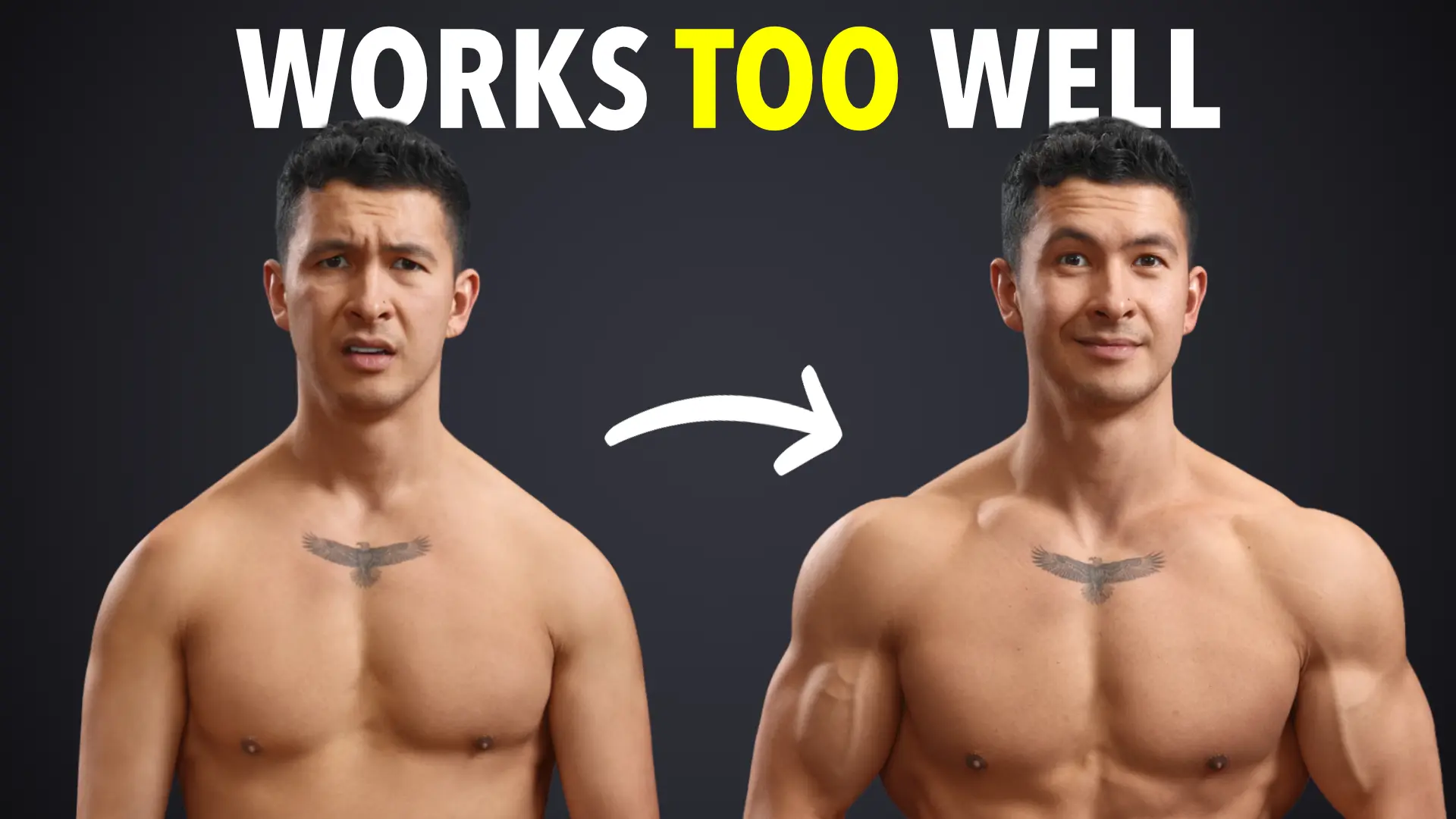
I know because it happened to me.
I went from this… to this.
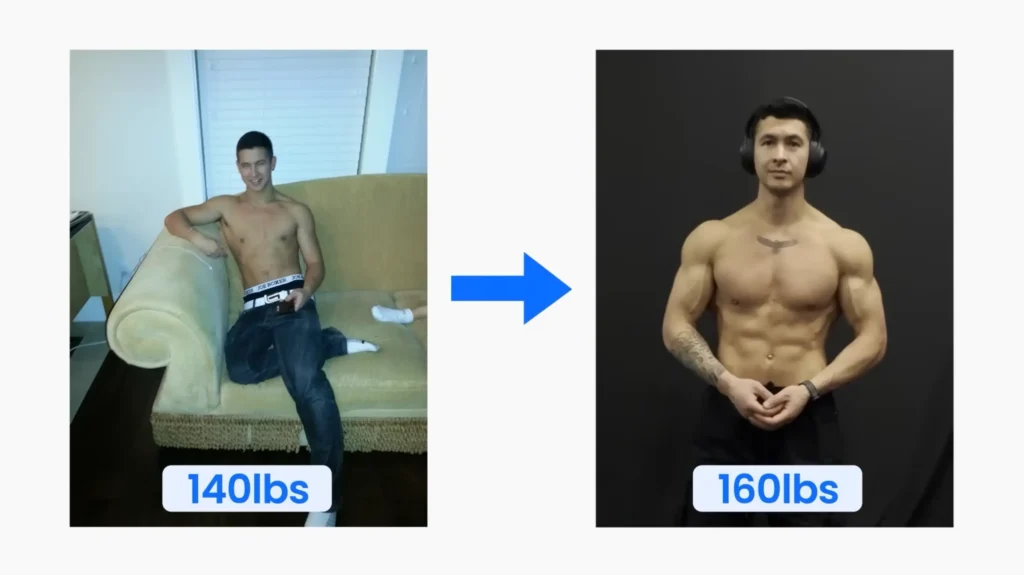
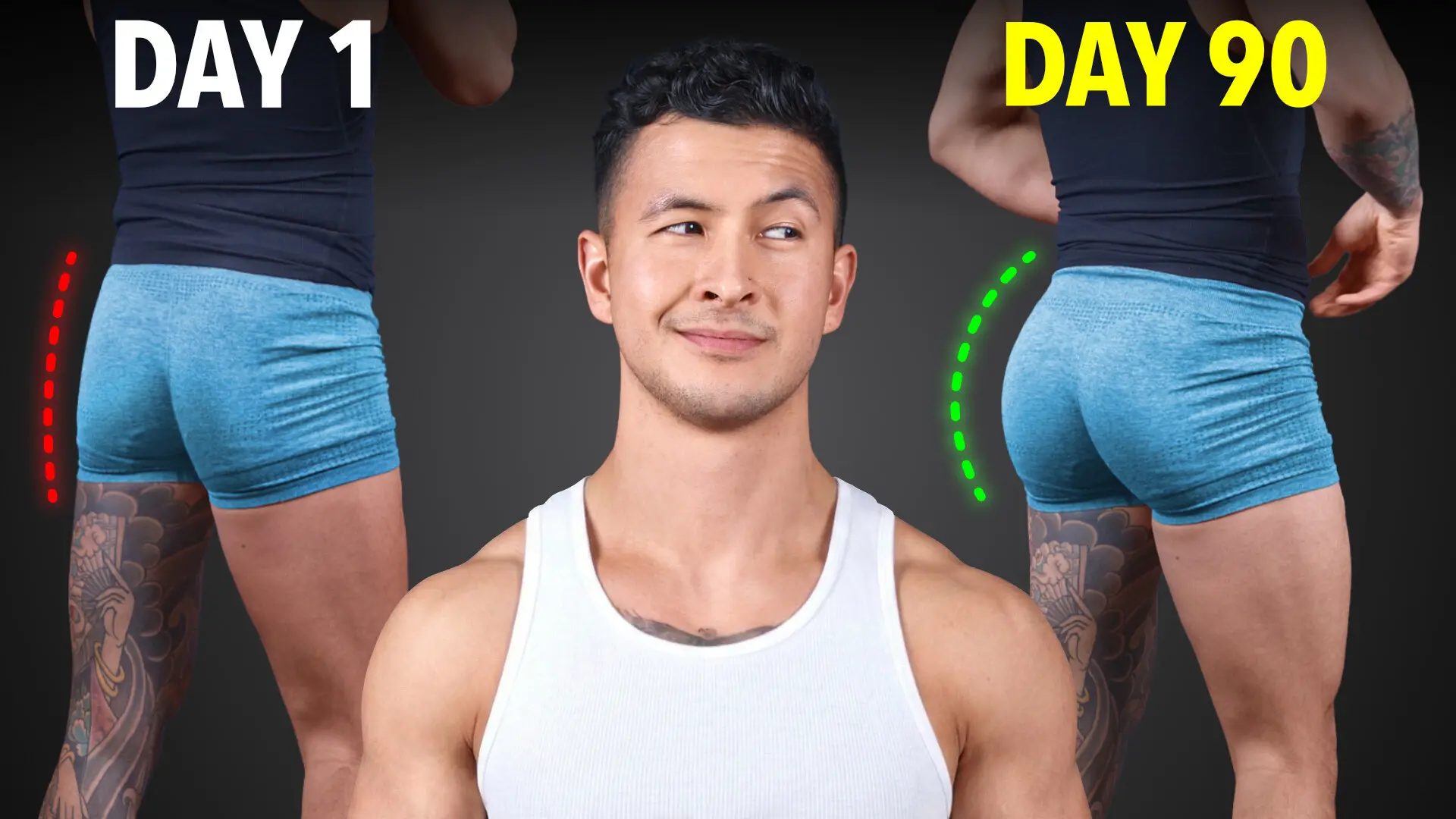
And just 12 pounds in the right places took my wife from this… to this.
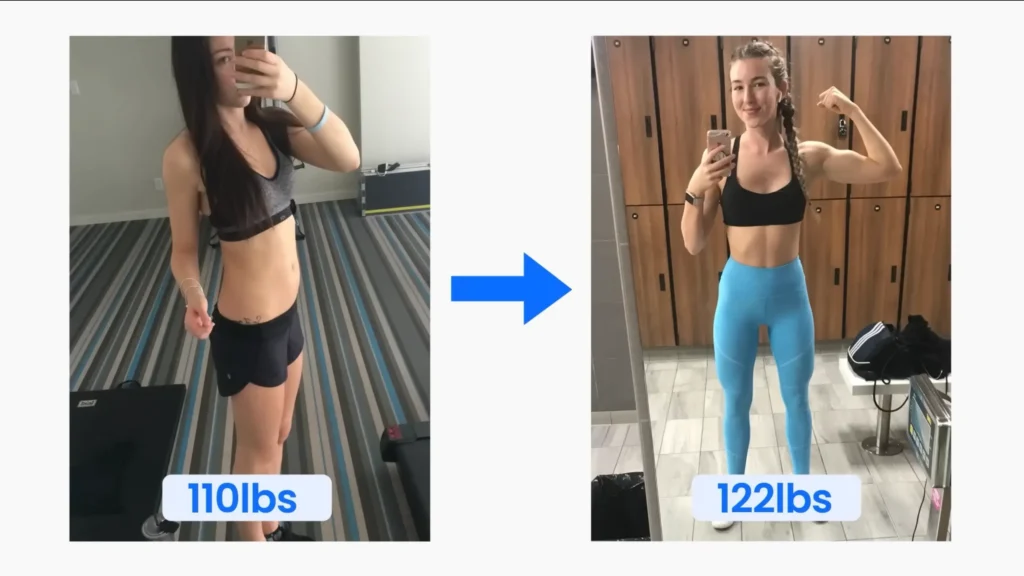
But here’s the problem: based on the data, less than 5% of people ever gain that much muscle naturally. Not because of age or genetics — it’s because without the right plan, you might make some progress early on, but afterward, you get stuck and spend years with the same physique.
And more protein, more creatine, and more workouts aren’t going to help you break through that.
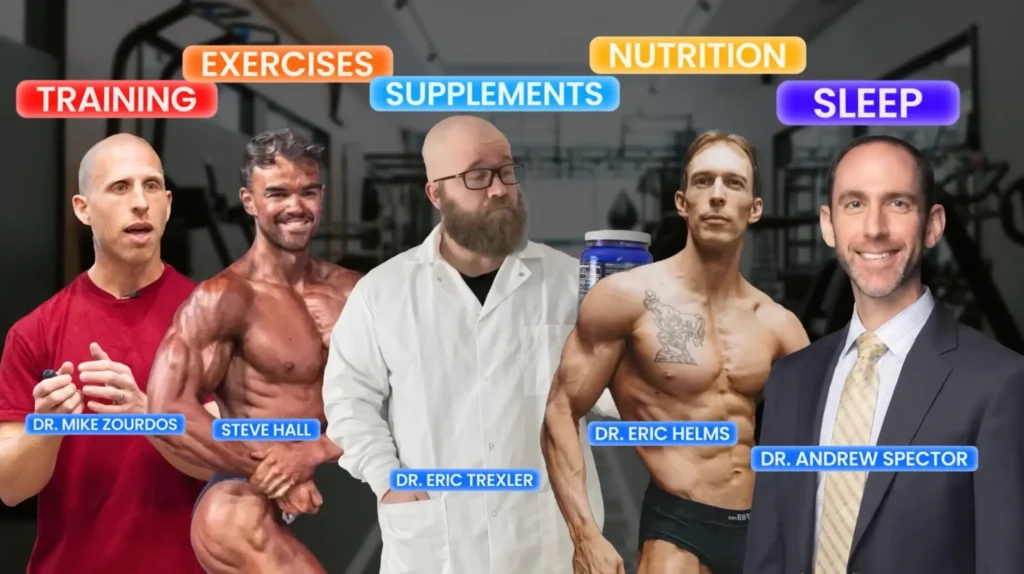
That’s why I teamed up with five scientists and coaches, each with expertise in a different part of muscle growth, to answer one question: how to build 20 pounds of muscle — fast, and naturally?
At the end, I’ll also give you a step-by-step plan that pulls everything together into one simple system.
How To Build 20 Pounds of Muscle Naturally — How Long Does It Take?
If you want to know how to build 20 pounds of muscle, the first thing to understand is that it takes time.
For most people, gaining 20 pounds of muscle naturally takes at least a year with proper training and nutrition. After that, gains usually slow by about half each year.
That may not be what most people want to hear, but there’s good news too: your fastest gains don’t always happen when you first start lifting. They happen when you start lifting properly.
So let’s start with training, because this is where 90% of your muscle growth actually happens.
Training
To understand how to build 20 pounds of muscle, you need to start with training, because this is where most of your results come from.
How Many Sets Per Muscle Per Week Build Muscle Fastest?
More sets are not always better for muscle growth. You get a lot of benefit from the early productive sets, then smaller and smaller returns as volume climbs higher.
A few months ago, researchers looked at the actual training routines of 56 top pro, drug-tested bodybuilders — guys who had naturally built well over 20 pounds of muscle, more than most guys could achieve even with drugs. They found that, on average, these bodybuilders did only about 12 sets per muscle per week.
That’s probably less than many people expect.
For the chest, 12 weekly sets could look like this:
- 4 sets of bench
- 4 sets of incline
- 4 sets of flyes
And for some muscles, they were doing just 6 sets per week.
That sounds low until you understand one of the most important ideas in hypertrophy training: diminishing returns.
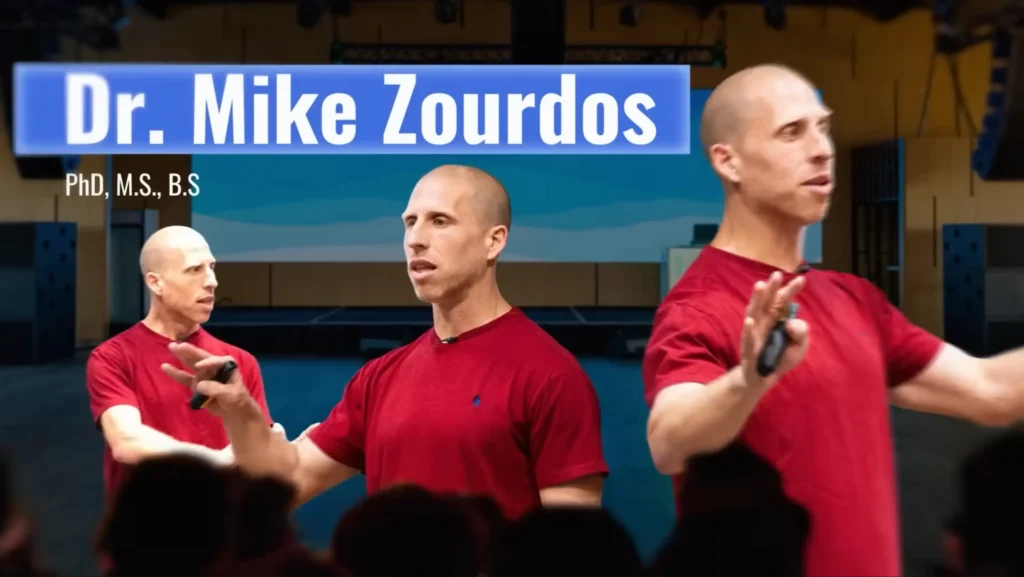
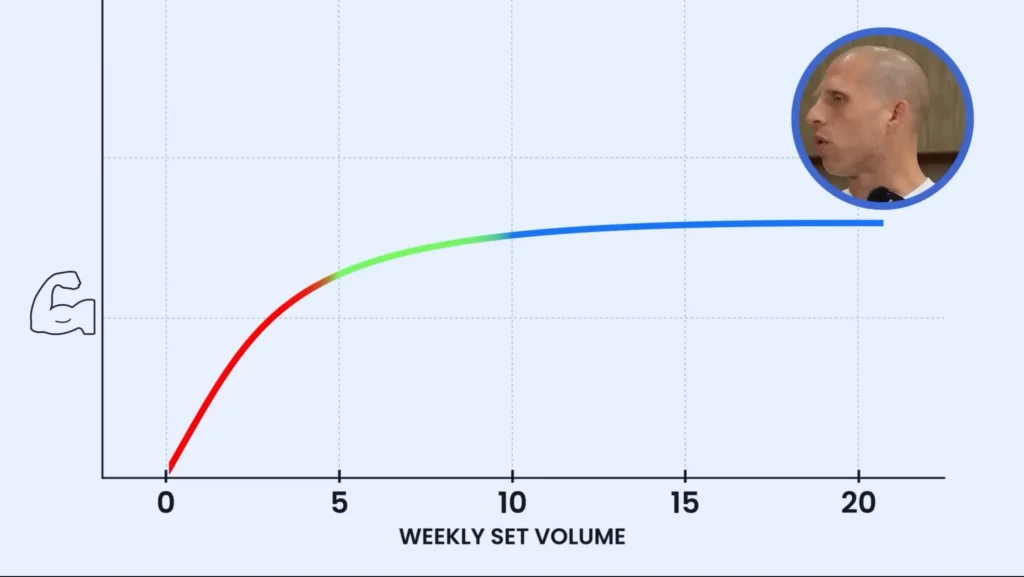
As Dr. Mike Zourdos explains, the more sets you do, the less benefit you get from each extra set. His team recently looked at how much more muscle you actually gain by adding more weekly volume.
Most people imagine a straight line upward — more sets, more growth.
But that’s not really what the data suggests.
From about 1 to 5 sets, you get a lot of growth. From 5 to 10, you still get some. But once you keep adding sets after that, the returns get much less certain. Even if 20 sets per muscle per week gets you closer to maximal gains, the actual difference in muscle thickness between 10 and 20 sets may only be a few millimeters.
How Close to Failure Should You Train for Muscle Growth?
Training closer to failure appears to create a stronger growth stimulus than stopping well short of it. For a lot of lifters, that’s one of the biggest hidden reasons progress stalls.
Mike and his team ran a second analysis on this: how much more growth do you get by taking each set to failure — the point where you literally can’t do another rep if your life depended on it?
When you stop your set around 8 reps short of failure — which is honestly how a lot of gym-goers train — your muscles still grow.
But when you push each set to just 1 or 2 reps short of failure, growth appears to improve substantially.
I’ve worked with both beginners and trained lifters who have plateaued, and they often fail two simple tests:
- Their last rep isn’t moving much slower than their first rep
- On the final set of an exercise, they can still do more reps than they did on the first set using the same weight
If either of those is happening consistently, they’re probably not training hard enough.
But if more sets help, and training closer to failure helps, why not just do more sets and take all of them to failure?
Because your body pushes back.
There’s a benefit to training close to failure, and there’s also a benefit to doing more sets. But if you try to combine both, it becomes much harder to sustain and recover from over time.
The Two Ways That Actually Build Muscle
Option 1: Lower Volume, Higher Intensity
This is the intensity method: fewer total sets, but most of them pushed to failure.
A practical version looks like this:
- 5–12 sets per muscle per week
- Generally 2 sets per exercise
- Most sets taken to failure
- Higher fatigue per set
- Shorter workouts
- Mentally tough
So for chest, you might do:
- 3 sets of flat press
- 3 sets of incline press
- 2 sets of cable flyes
That’s 8 sets for the entire week.
Your whole chest workout might take just over 20 minutes, and you might be in the gym as little as 3 or 4 hours a week.
But remember, you’re taking every set to failure. Not “this is getting hard” failure. I mean you physically cannot move the weight another inch.
Option 2: Higher Volume, Moderate Intensity
This is the volume method: more sets overall, but with 1–3 reps left in reserve.
A practical version looks like this:
- 12–20 sets per muscle per week
- Generally 3–4 sets per exercise
- Leave 1–3 reps in reserve
- Lower fatigue per set
- Longer workouts
- Mentally easier for some people
That same chest workout might become:
- 4 sets of bench
- 4 sets of dips
- 4 sets of incline
- 4 sets of cable flyes
Each set is easier, but the workouts are longer.
Right now, the research doesn’t show a huge difference between these two broad approaches. That’s actually good news. It means the best option is often the one you’re most likely to recover from and stick to.
Personally, I mix both. For arms and back, I prefer fewer sets pushed all the way to failure. But for muscle groups like legs, taking sets to failure can be brutal and hard to recover from, so I’ll often add an extra set or two instead.
Sample Upper Body Workout — Intensity Approach
- Incline dumbbell press: 2 sets x 6–10 reps
- Chest-supported row: 2 sets x 8–12 reps
- Lat pulldown: 2 sets x 6–10 reps
- Chest fly/pec deck: 2 sets x 10–15 reps
- Lateral raise: 2 sets x 10–15 reps
- Incline dumbbell curl: 2 sets x 8–12 reps
- Cable overhead triceps extension: 2 sets x 10–15 reps
Sample Upper Body Workout — Volume Approach
- Incline dumbbell press: 3 sets x 6–10 reps
- Chest-supported row: 3 sets x 8–12 reps
- Seated dumbbell shoulder press: 3 sets x 6–10 reps
- Pull-up: 3 sets x 6–10 reps
- Chest fly/pec deck: 3 sets x 10–15 reps
- Lateral raise: 4 sets x 10–15 reps
- Incline dumbbell curl: 3 sets x 8–12 reps
- Cable overhead triceps extension: 3 sets x 10–15 reps
Sample Lower Body Workout — Intensity Approach
- Hack squat: 2 sets x 6–10 reps
- Bulgarian split squat: 2 sets x 6–10 reps
- Leg extension: 2 sets x 10–15 reps
- Leg curl: 2 sets x 10–15 reps
- Standing calf raise: 2 sets x 10–15 reps
Sample Lower Body Workout — Volume Approach
- Barbell squat: 3 sets x 6–10 reps
- Bulgarian split squat: 3 sets x 6–10 reps
- Leg extension: 3 sets x 10–15 reps
- Leg curl: 3 sets x 10–15 reps
- Standing calf raise: 3 sets x 10–15 reps
How Many Sets Should You Do Per Workout?
Once weekly volume gets high enough, how you distribute those sets starts to matter more.
The same Zourdos analysis also looked at sets per session, per muscle group. Their takeaway: once you get to around 10 to 11 sets per session for a muscle group, it’s not clear that you’re getting much more growth from doing more in the same workout.
So rather than doing 12 sets of chest in one workout, it usually makes more sense to split those sets across at least 2 separate days per week.
Based on that analysis, that one switch has the potential to speed up your gains by up to 30%.
Is It Better to Train a Muscle Once or Twice Per Week?
A big part of how to build 20 pounds of muscle is learning how to spread your training volume across the week.
For most people trying to build muscle as fast as possible, hitting each muscle at least twice per week is a smart default.
A good general rule is:
- Get enough weekly volume
- Don’t cram too much of it into one session
- Train each muscle 2 to 3 times per week when possible
That’s why upper/lower splits, push/pull/legs splits, and full-body splits are all solid ways to organize your training.
Personally, my favorite is a 5-day upper/lower/push/pull/legs split. But the exact split matters less than choosing one that fits your schedule and lets you stay consistent.
And if you stick to what we’ve covered so far, depending on your experience, you should be able to build around 3–8 pounds of muscle over the next 6 months.
What Exercises Should You Use to Build Muscle Fastest?
If you want to know how to build 20 pounds of muscle, exercise selection becomes more important as you get more advanced.
The best exercise for one person can easily be the worst for someone else. And the exercises that help you build your first 10 pounds of muscle aren’t always the same ones that get you to 20 and beyond.
A useful way to think about exercise selection is in 3 stages.
Stage 1 — Beginners
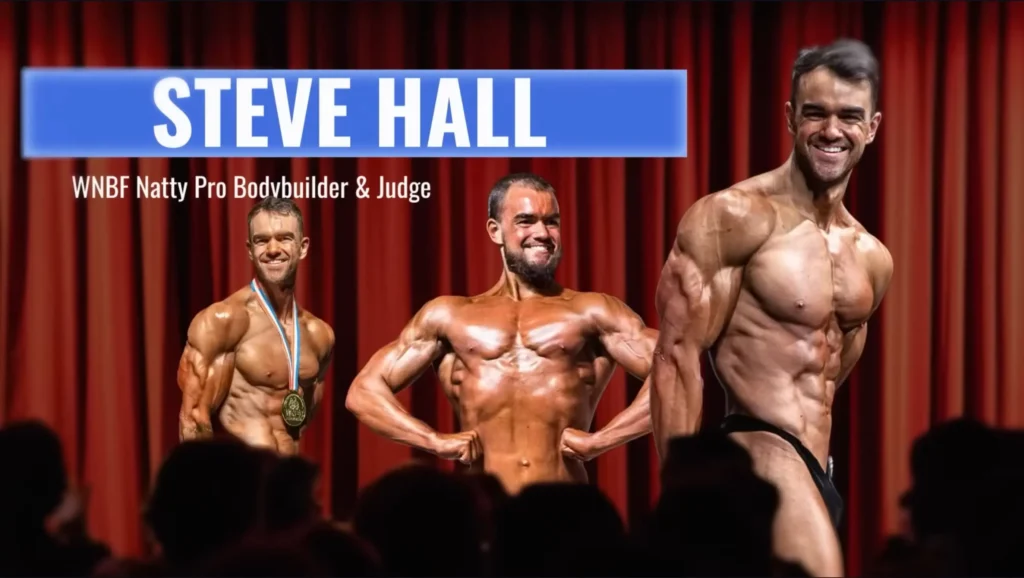
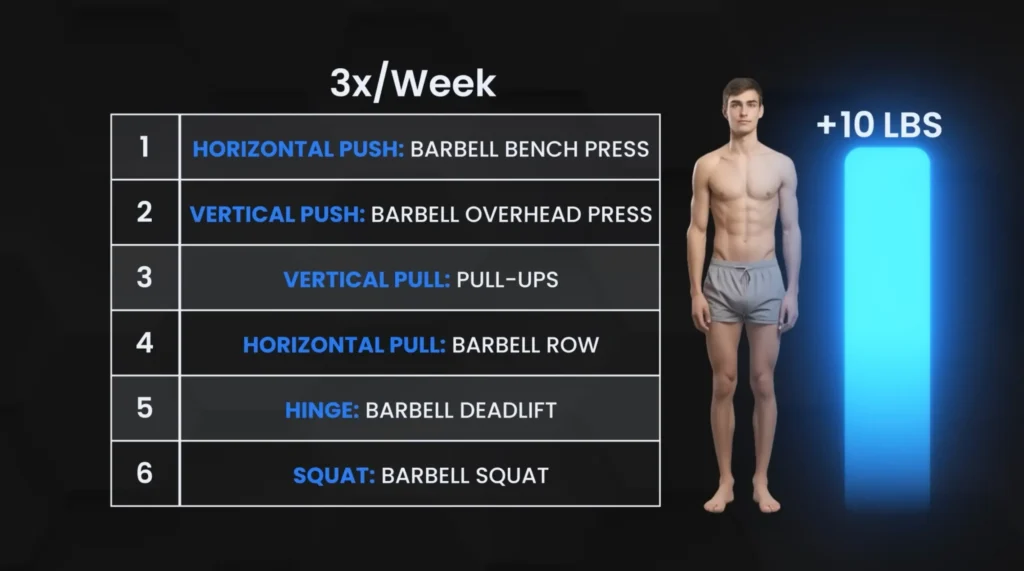
Steve Hall, a pro natural bodybuilder who has built roughly 45 pounds of muscle across his lifting career, frames the beginner stage around fewer exercises and core movement patterns.
Beginners should prioritize a press, a pull, a squat, and a hip hinge, then build from there. The goal early on is not doing everything. It’s getting good at the basics.
Stage 2 — Intermediate: Where Most People Plateau
Once you’ve put on some muscle and have 2 or 3 years of consistent lifting under your belt, those same compound movements can start showing limitations. This is where a lot of people plateau.
For example, squats grew my glutes and inner thighs really well, but my quads barely budged. And bench press never really did much for my chest and often just irritated my shoulders.
It wasn’t until I started doing hack squats for quads and more machine and cable work for my chest that those areas finally started responding. But for someone else, it could be the complete opposite.
That’s why copying someone else online can backfire. At this stage, you need to become your own guinea pig and figure out what your body — and your joints — respond best to.
This is also where more specialized exercises can start helping, especially for muscles that tend to lag behind.
A few exercises that tend to work well for most people:
Chest
- Incline dumbbell press
- Barbell bench press
- Cable fly/pec deck
Upper back
- Wide-grip lat pulldown
- Chest-supported row
- Wide overhand barbell row
Lats
- Narrow-grip pulldown
- Close-grip row
- Single-arm dumbbell row
Quads
- Barbell squat
- Hack squat
- Leg press with low foot position
Hamstrings
- Machine leg curl
- Barbell Romanian deadlift
Glutes
- Hip thrust
- Bulgarian split squat
- Dumbbell Romanian deadlift
Biceps
- Incline dumbbell curl
- Preacher curl
Triceps
- Bar pushdown
- Overhead cable extension
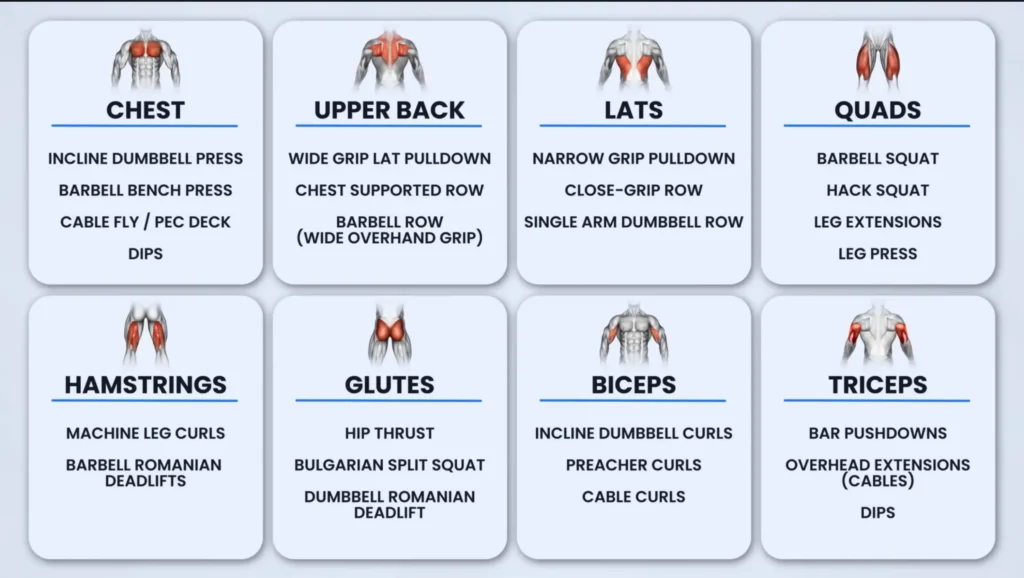
Try 2 or 3 options per muscle and pay attention to which ones feel best on your joints, give you the best pump, and leave the target area feeling worked the next day.
Stage 3 — Advanced
By the time you reach this stage, you’ve figured out which movements actually grow your muscles best. So instead of constantly changing exercises, you double down on the ones that work and rotate them only when needed.
Some of Steve Hall’s personal favorites include:
- Cross-body cable lateral raises for delts
- Skull crusher variations for triceps
- Bayesian curls for biceps
- Converging machine presses for chest
- Shoulder-width or slightly narrower pulldowns for lats
- Pronated machine rows for upper back
- Machine hip thrusts for glutes
- Hack squats for quads
- Romanian deadlifts for hamstrings
- Straight-leg calf raises for calves
What’s interesting is that his list overlaps a lot with mine. So while people absolutely do differ, a good exercise performed well will often work for most lifters.
Nutrition
If you’re serious about how to build 20 pounds of muscle, your calorie strategy has to match your body fat level and training experience.
Should You Bulk or Recomp?
Whether you should bulk or recomp depends mostly on your body fat percentage and training experience. Higher-body-fat lifters often do very well with a recomp approach, while leaner lifters who want to maximize growth usually do better moving closer to maintenance or a surplus.
Training is the engine that drives muscle growth, but your nutrition is the fuel. And the most important question you need to answer is: how much should you eat?
That depends on two things:
- Your body fat percentage
- Your training experience
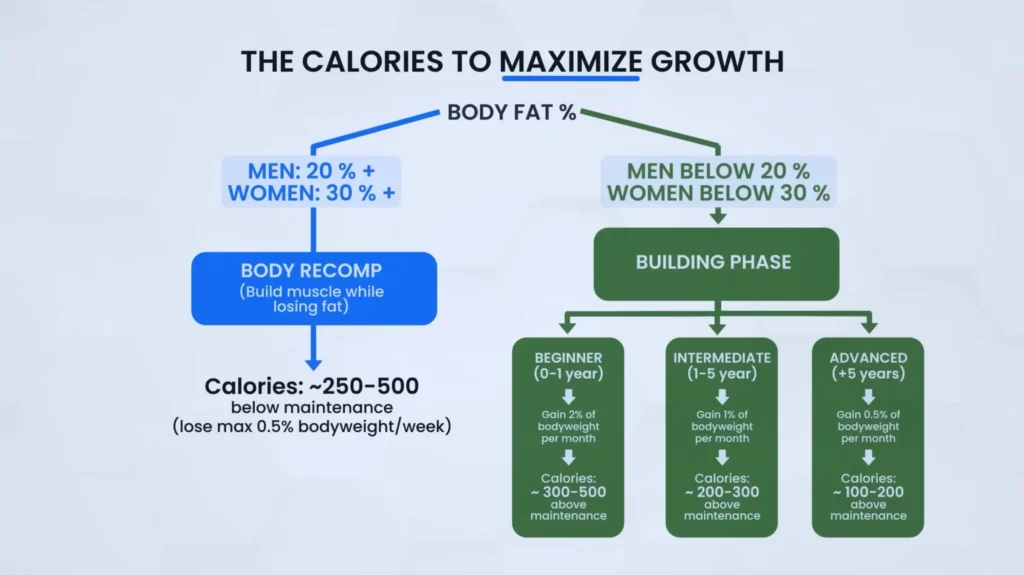
If you’re above roughly 20% body fat as a man or 30% as a woman, you may have a unique advantage.
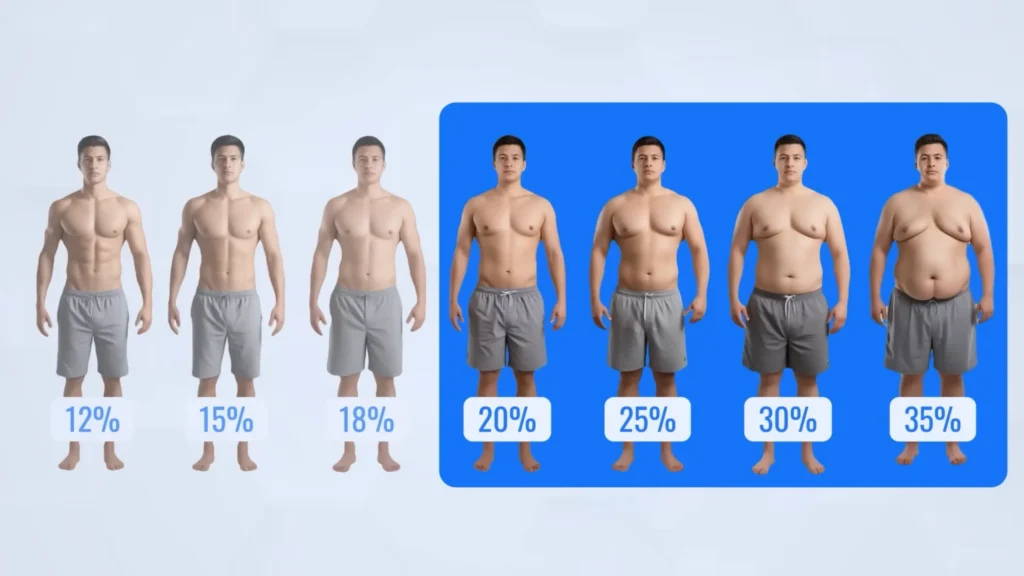
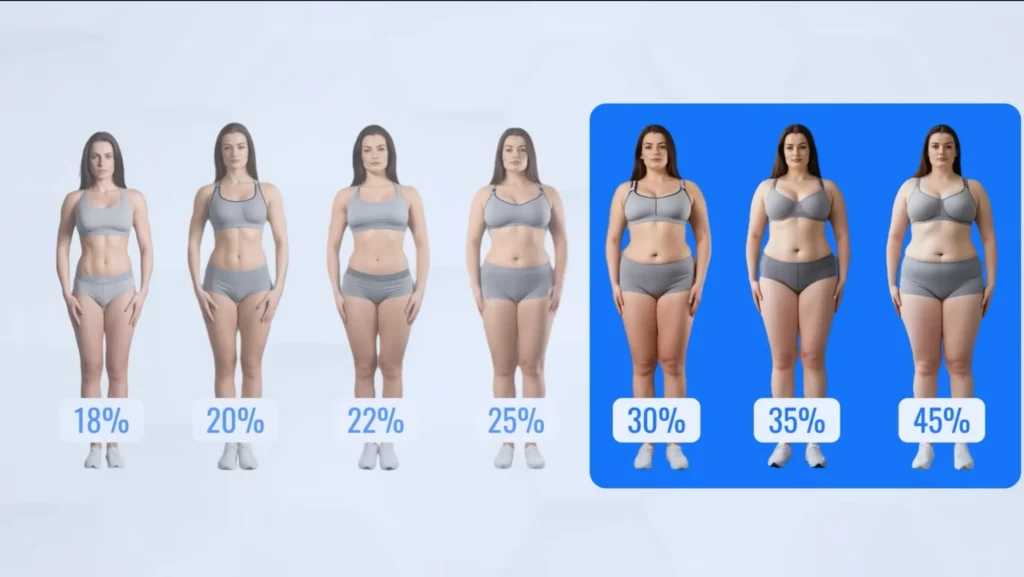
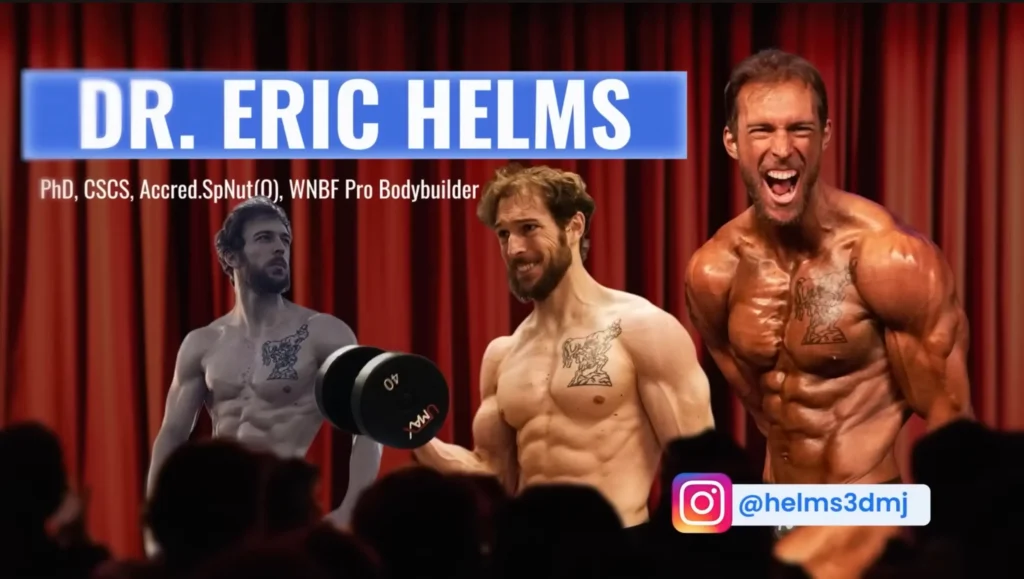
As Dr. Eric Helms explains, there’s roughly five times more energy in fat tissue than lean tissue. So if your body is getting a strong resistance training signal, stored body fat can help support the process of building muscle.
That’s why, if you have enough body fat, a body recomposition approach — losing fat while building muscle — can work very well.
You probably don’t need to be in a surplus to make nearly as good of gains, and visually, you may actually get more bang for your buck because you’re improving body composition in both directions at once.
But the key is not getting too aggressive with the deficit. The likelihood of losing muscle rises as the deficit gets larger.
A practical cap is about 0.5% of bodyweight lost per week. So if you multiply your bodyweight by 0.005, that gives you a rough weekly target. In practice, that usually means eating about 250 to 500 calories below maintenance per day.
Many people see major visual changes with this approach even when scale weight doesn’t move that dramatically.
When Does a Calorie Surplus Help More?
If you’re lean enough, this is where more calories can help maximize growth.
A study by Rosene and colleagues in untrained university-aged males found that pairing hypertrophy-oriented training with an extra 2,000-calorie supplement drink led to unusually rapid early lean-mass gains.
But that same approach won’t work for everyone. The key is scaling your calories based on your potential to grow.
That’s why a simple monthly bodyweight target works better than blindly bulking hard:
- Beginner: about 2% of bodyweight per month
- Intermediate: about 1% of bodyweight per month
- Advanced: about 0.5% of bodyweight per month
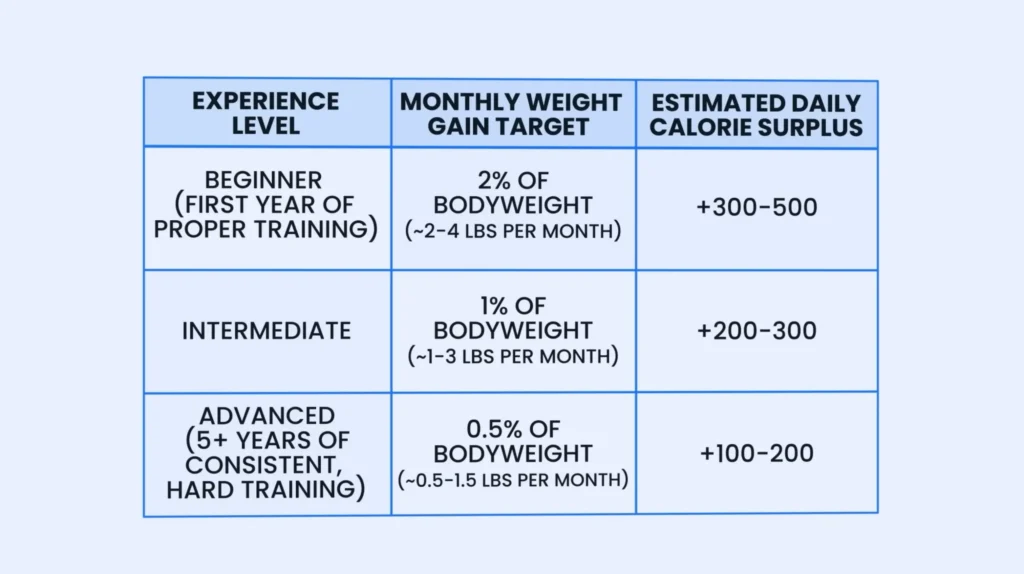
An advanced lifter simply doesn’t have the same growth potential as a beginner, so a huge surplus usually just adds body fat.
How Much Protein Do You Need?
Anyone trying to learn how to build 20 pounds of muscle should understand that protein matters, but not as much as training and calories.
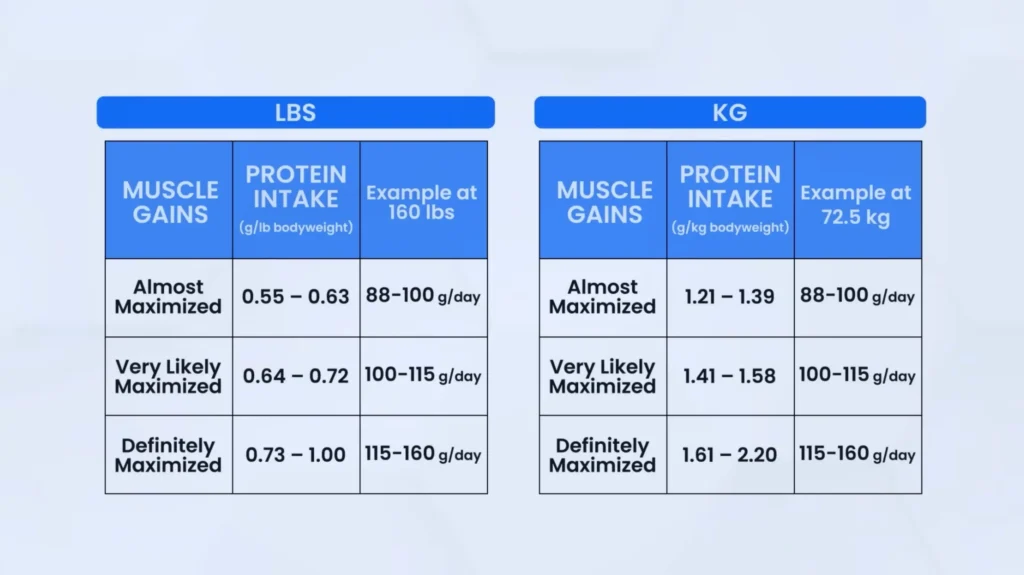
Protein supports muscle growth, but it matters less than training and calories. If you rank the big drivers, the order is training first, calories second, then protein.
A good low-end cutoff is around 1.6 g/kg, or 0.7 g/lb.
But that’s not some magic line where gains suddenly stop below it. You can still make gains even as low as 1.2 g/kg.
So for a 220-pound person — about 100 kilos — even 120 g of protein per day can still support progress better than many people expect.
What Should You Eat Before a Workout?
The biggest nutrition mistake many lifters make is not protein — it’s showing up to train under-fueled.
A simple setup is:
- About 1.5–2 hours before training: a meal with slow-digesting carbs and protein
- About 30 minutes before training: some fast-digesting carbs
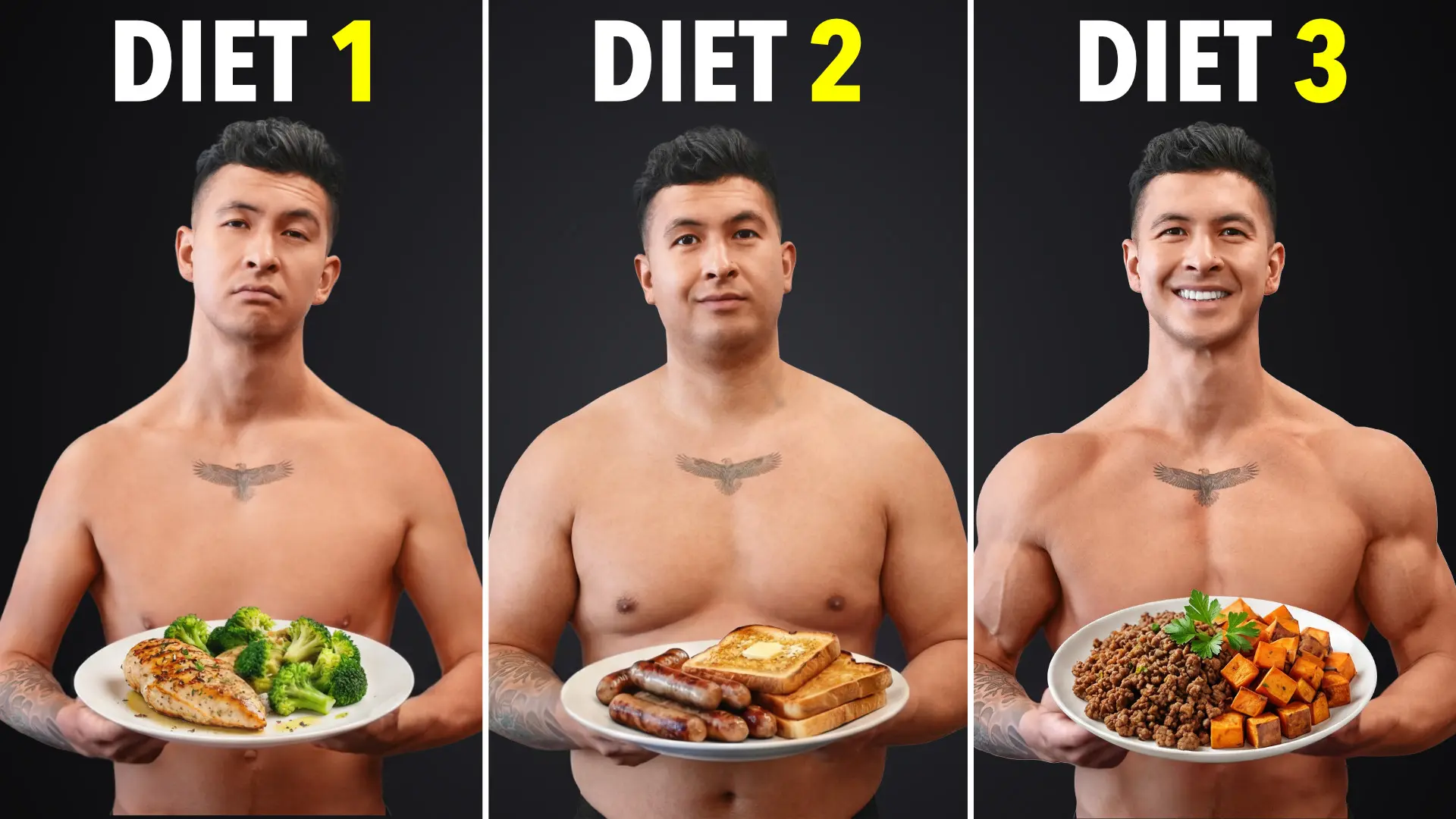
For me, that earlier meal is usually oats with Greek yogurt and protein powder.
Then I’ll use some faster carbs closer to training so I can actually feel the energy during the workout.
The goal is simple:
- Have energy
- Perform better
- Push harder
- Create a better growth stimulus
Does Creatine Help?
Creatine can help, but it is not magic. It’s best thought of as a cost-effective supplement with small but consistent upside, not the main driver of muscle gain.
As Dr. Eric Trexler explains, creatine has a strong track record of producing small but fairly consistent positive effects on muscle growth.
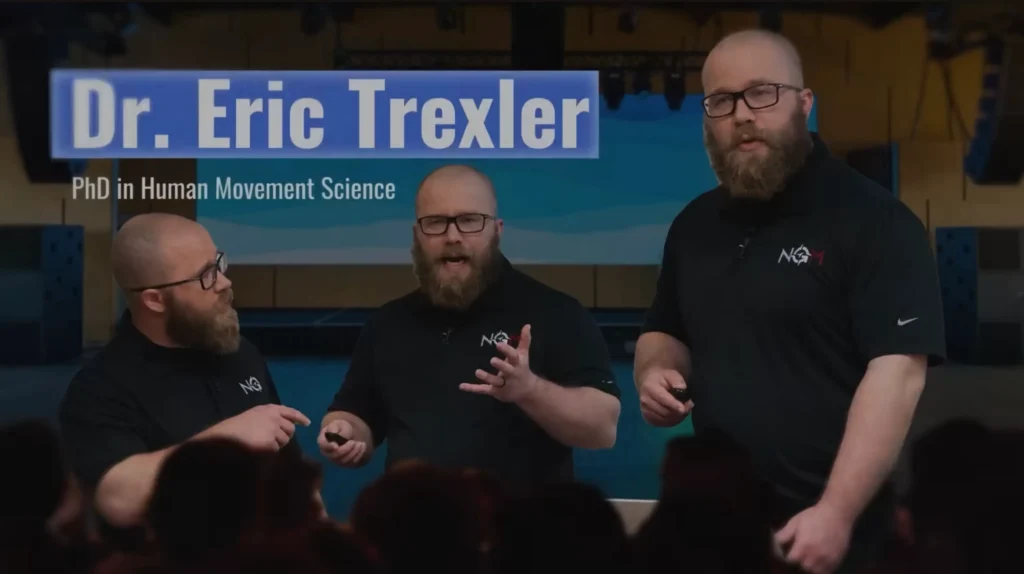
It has been found to boost lean mass by as much as 2–3 pounds in the first 8–12 weeks.
But there are two important caveats.
First, most of that lean mass is simply a one-time boost from creatine pulling water into your muscle, which helps it look fuller — not the kind of gain you keep stacking every couple of months.
Second, some people do not respond much to creatine. Estimates sometimes put that around 20% to 30%, but that is still a weak estimate. In many cases, the people who don’t respond may simply already have naturally saturated creatine levels.
A practical way to tell whether it’s helping is performance in the gym. If you were getting 10 reps with a weight before and now you’re getting 12 or 13, that’s meaningful.
Here's an in-depth guide to creatine and its benefits.
Still, you do not need any supplement to build serious muscle. Supplements are optional. The fundamentals are not.
Recovery and Sleep
How to build 20 pounds of muscle does not come down to training alone — recovery, especially sleep, plays a real role too.
How Does Sleep Affect Muscle Growth?
Sleep is the final piece of the muscle-building puzzle. It’s not just about getting enough time in bed — it’s about giving your body the recovery signals it needs to adapt, rebuild, and actually grow.
Dr. Andrew Spector — a board-certified neurologist and sleep specialist at Duke University — is the expert voice here. You can find him at http://andrewspectormd.com.

When you sleep well, your body produces more growth hormone and testosterone, and you give yourself the recovery time needed to rebuild after training. But if you go into workouts sleep-deprived or keep cutting your recovery short afterward, you limit what you can achieve.
And it’s not just about total hours. Quality matters too.
If you’re getting 7 hours and still waking up unrefreshed, something is probably off about the quality of that sleep.
Three of the biggest ways people sabotage sleep without realizing it are:
- Too much light
- Too much noise
- A room that’s too warm
A truly dark room means dark enough that you can’t see your hand in front of your face. In practice, even tiny LEDs from chargers or smoke detectors can matter.
If you can’t fully black out your room or control outside noise, a cheap eye mask and ear plugs can go a long way.
Temperature matters too. Many people are trying to sleep in rooms that are too warm. A cooler room makes it easier to fall asleep and stay asleep.
And on nights when sleep still falls short, short naps can improve athletic performance and help make up for some missed overnight sleep.
So if you want to build muscle as fast as possible, don’t treat sleep like an afterthought. Better recovery — especially better sleep — supports better training results over time.
How To Build 20 Pounds Of Muscle: The Step-by-Step Plan
If your goal is learning how to build 20 pounds of muscle naturally as fast as possible, here’s the simplest way to apply everything in this article.
1. Get Your Weekly Volume Right
Aim for somewhere around 5–20 sets per muscle per week, depending on how hard you train and which style you prefer.
2. Choose Your Hard
You can either:
- Do fewer sets and push them very close to failure
- Do more sets and leave a rep or two in reserve
3. Spread Your Work Across The Week
Train each muscle 2–3 times per week when possible instead of cramming too many sets into one session.
4. Match Your Exercises To Your Stage
Beginners should prioritize core movement patterns. Intermediates should experiment and figure out what their body responds to. Advanced lifters should double down on the exercises they already know work.
5. Match Your Calorie Strategy To Your Body Fat And Training Age
If you’re carrying more body fat, recomp may make more sense. If you’re leaner and want to maximize growth, move toward maintenance or a surplus. The more advanced you are, the smaller that surplus usually needs to be.
6. Get Enough Protein, But Don’t Overrate It
A good low-end target is around 1.6 g/kg or 0.7 g/lb.
7. Fuel Your Workouts
Eat enough before training so you can actually perform.
8. Use Creatine As Support, Not The Foundation
It can help, but it’s not magic.
9. Take Recovery Seriously
Especially sleep.
How To Build 20 Pounds Of Muscle: Final Takeaway
Nothing here is magic. But it works when it comes to how to build 20 pounds of muscle.
The biggest challenge usually isn’t knowing what to do. It’s applying it consistently enough, week after week, for it to actually add up.
If you want to put this into practice, this 3-day-per-week full-body workout is a solid next step for beginners and intermediates.
And if you want someone to take care of that guesswork for you — literally tell you exactly what workouts to do and what nutrition to follow based on your body, so all you have to do is execute — you can try 2 weeks free of the BuiltWithScience coaching app here.
Click the button below to try the BWS+ app for 2 weeks, for free, no strings attached:
↓
By the way, here’s the article summed up into a YouTube video:

FAQ
How to build 20 pounds of muscle naturally?
To build 20 pounds of muscle naturally, you need enough weekly training volume, hard sets taken close enough to failure, the right calorie strategy for your body fat level and training age, enough protein, strong pre-workout fueling, and consistent recovery.
Can you gain 20 pounds of muscle naturally without bulking?
Yes, sometimes — especially if you’re above roughly 20% body fat as a man or 30% as a woman. In that situation, a body recomposition approach can still produce very good muscle gains while also reducing fat.
How long does it take to gain 20 pounds of muscle naturally?
For most people, at least a year with proper training and nutrition. After that, gains tend to slow by about half each year.
How many sets per muscle per week do you need to grow?
A practical range is roughly 5–20 sets per muscle per week, with diminishing returns becoming more important as volume climbs. The exact best number depends on how hard you train and how well you recover.
Is training a muscle twice per week better than once?
For most people, yes. Spreading volume across at least 2 sessions per week usually makes more sense than cramming too many sets into one workout.
How much protein do you actually need to build muscle?
A good low-end target is around 1.6 g/kg or 0.7 g/lb, though gains can still happen lower than that. Protein matters, but training and calories matter more.
Is creatine necessary to build muscle?
No. Creatine is useful and cost-effective, but optional. It can help, but it’s not the main reason someone gains a lot of muscle.