
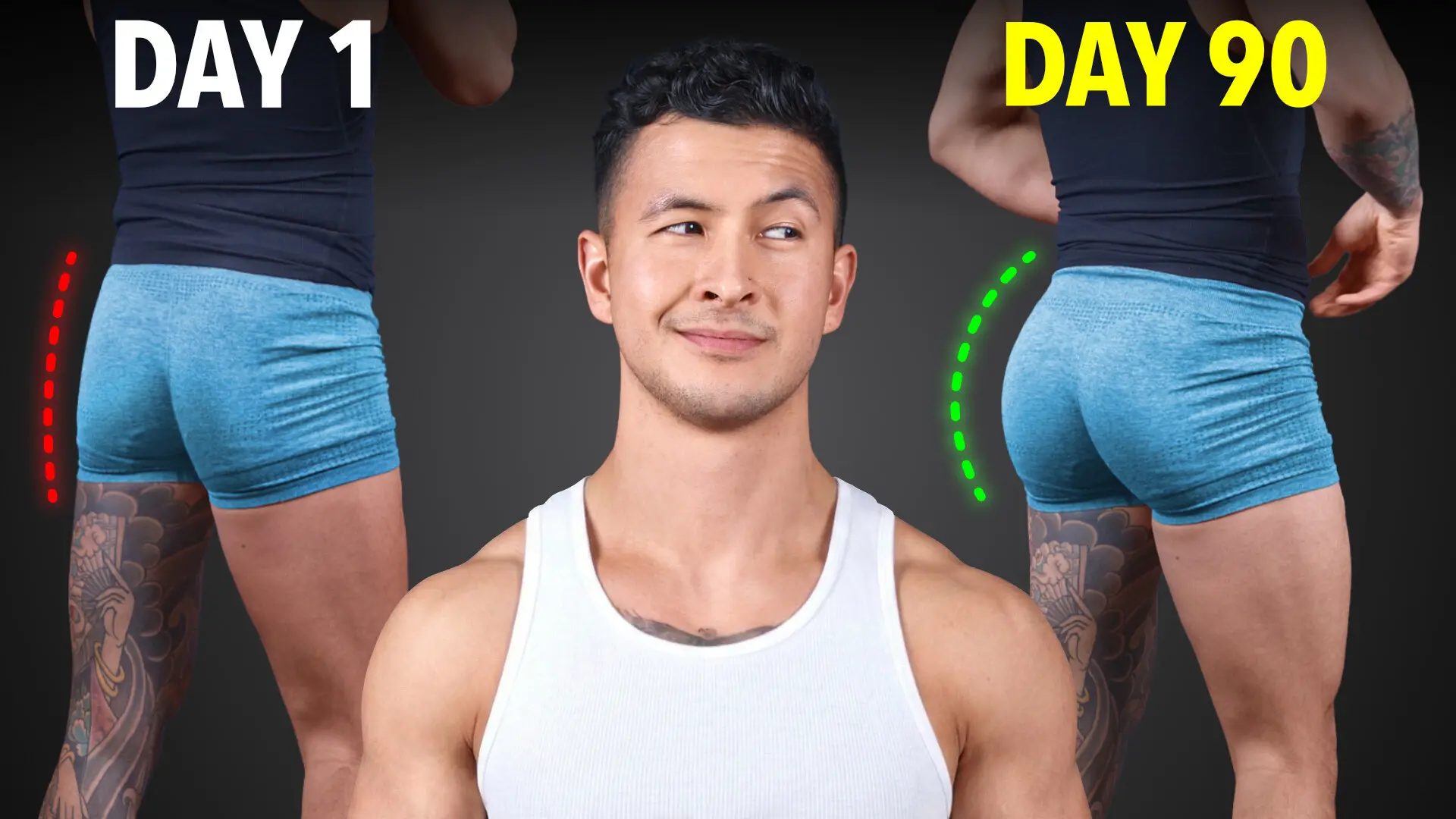
How To Get A Bigger Butt (Without Squats/Deadlifts): The 90-Day Experiment
If you’re trying to figure out how to get a bigger butt, the simplest answer is: train your glutes consistently and cover the main movement patterns that grow them. In this 90-day experiment, Tahnee trained with no squats, no deadlifts, and no heavy spinal loading, and still focused on building her glutes. The plan used four patterns — a lower body press, hinge, squeeze (hip thrust), and abduction — plus a simple “stop if you feel anything” rule for back safety.
Key Takeaways
- You can get a bigger butt without squats/deadlifts. Tahnee trained for 90 days with no squats, no deadlifts, and no heavy spinal loading.
- Use the 4-pattern framework. Lower body press, lower body hinge, squeeze, and abduction.
- Soreness isn’t a growth scoreboard. Feeling fine the next day doesn’t mean nothing happened.
- Hip thrust form matters for your back. Overextending at the top can create pressure in your lower back; the “scoop” cue helps.
- Volume can scale when recovery allows. Tahnee was around 20 sets/week, and Bret sometimes takes clients up to 30–40 sets/week for maximum growth.
- A short break can make muscles look flatter without losing actual muscle. Less glycogen can reduce “fullness”. Most research suggests it takes at least three weeks or more of no training to start losing actual muscle.
Why Were We Doing This In The First Place?
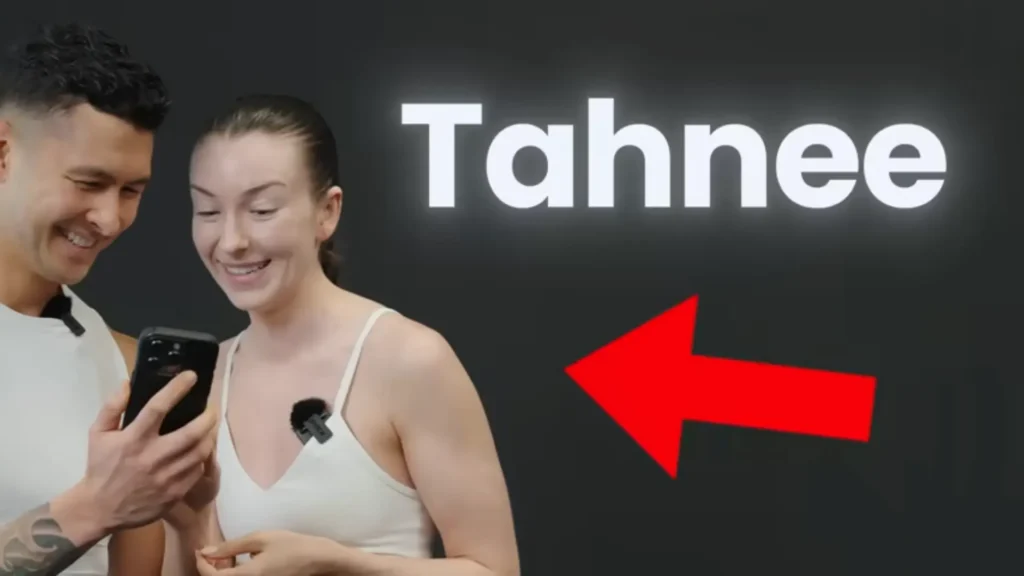
That’s my wife, Tahnee. She’s trained with some of the most jacked personal trainers for 10 years.
But five years ago, she hurt her back doing heavy squats. And ever since then, her butt got flat… sorry — flatter than she’d like.
And she’s not alone. I’ve gone from cake to pancake, too. I sit more than I used to, and glute training feels uncomfortable, so I got lazy with it.
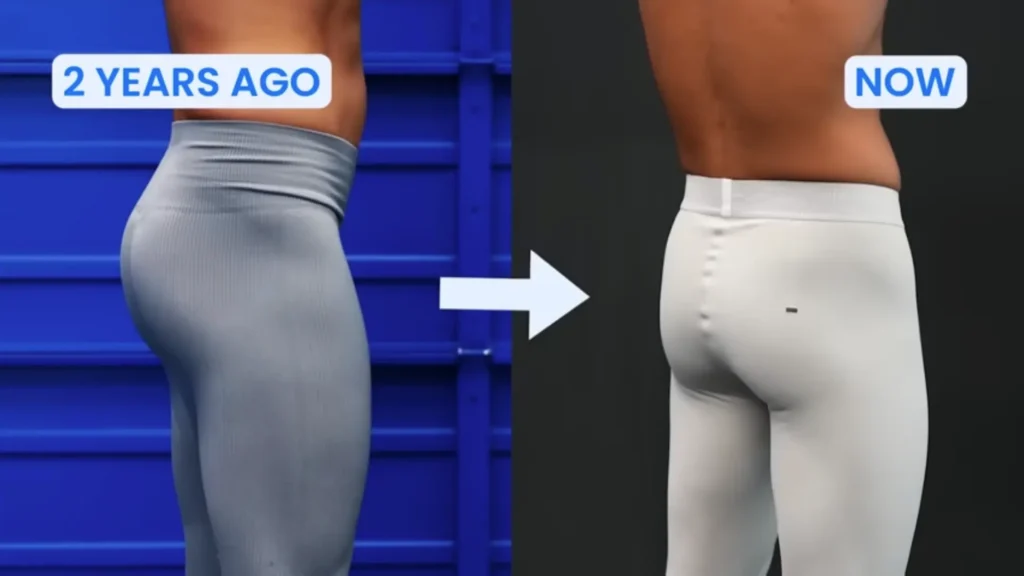
But strong glutes don’t just make your butt look better in clothes; they help you move better, lift stronger, and can even help with back tightness and knee pain.
So for the next 90 days, we made it a challenge.
The 90-Day Rules
- Tahnee’s rule — No squats, no deadlifts, and no heavy loading on her spine.
- My rule — I’m free to use whatever I want.
- The bet — If my injured wife outgrows me, I go vegan for 30 days.
Can You Get A Bigger Butt Without Squats/Deadlifts?
Yes. The whole point of this experiment was to answer one question: without crazy heavy weights, without squats, and without deadlifts (which are usually considered "the best glute exercises"), can you still grow your glutes?
Bret’s answer was basically: yes, but you need a smarter structure than “pick one lift and pray.”
What’s The Best Way To Get A Bigger Butt? Use The 4 Movement Patterns
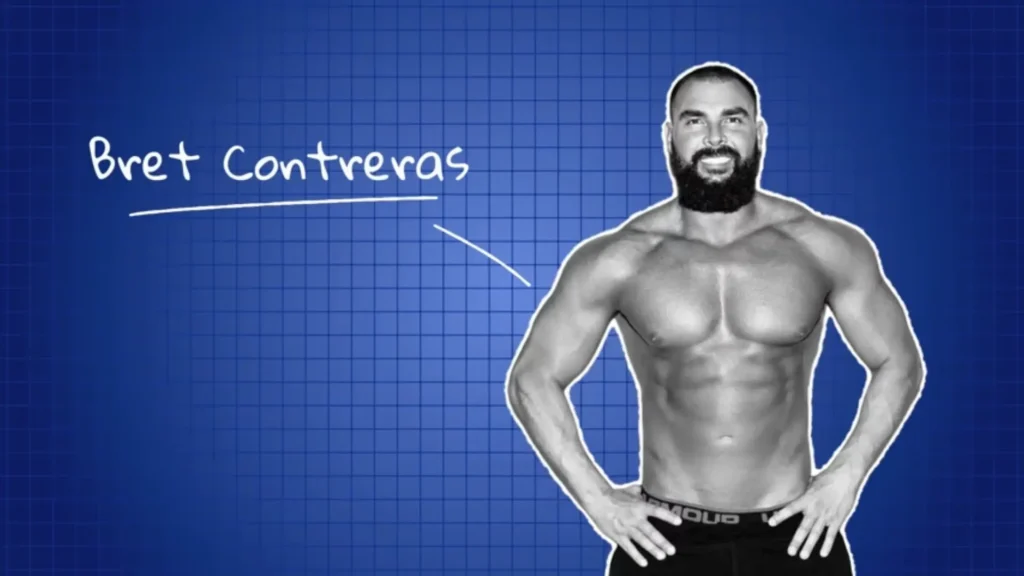
To build well-rounded glutes, Bret Contreras (the "Glute Guy") recommends training four movement patterns: a lower body press, a lower body hinge, a squeeze, and abduction. He’s used this simple approach to transform even the flattest of butts.
Because of Tahnee’s sensitive back, the goal wasn’t to force heavy barbell exercises. It was to find workarounds that still train the same patterns.
What Is The Lower Body Press Pattern?
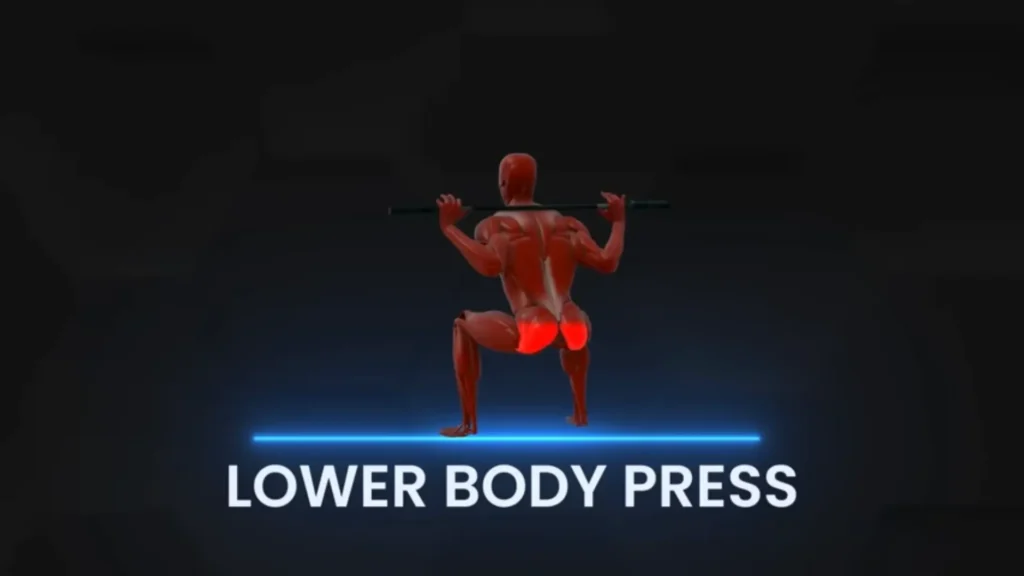
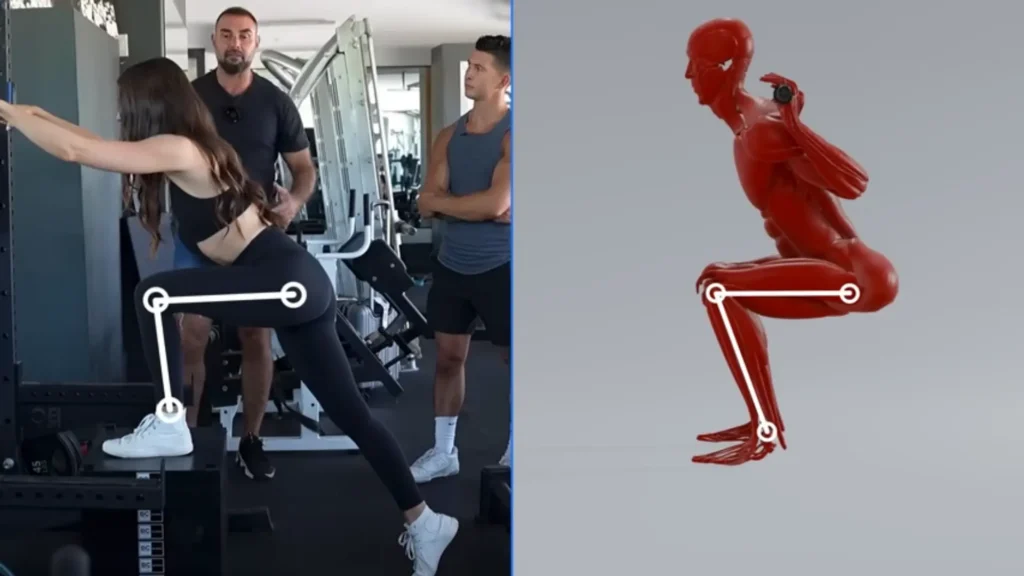
The lower body press is the squat pattern. And because squats were off the table, we used a workaround: the glute-dominant step-up/step-down.
Bret’s cue: it should look like a “glute-dominated squat” — mostly vertical shins — so you’re training the glutes as if you were squatting anyway.
What Is The Lower Body Hinge Pattern?
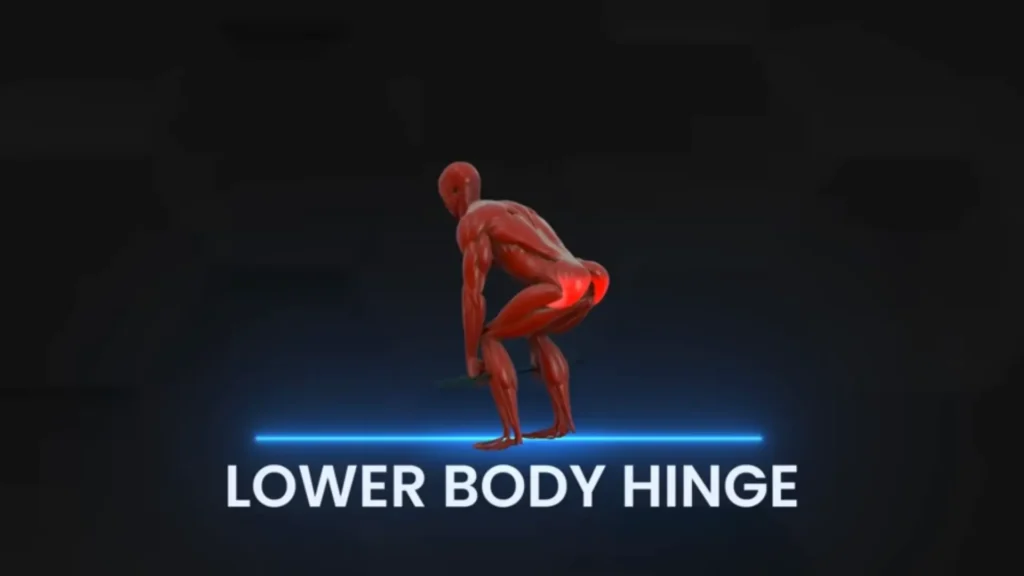
The hinge pattern is your deadlift pattern without needing traditional deadlifts. Here, we used the single-leg dumbbell deadlift.
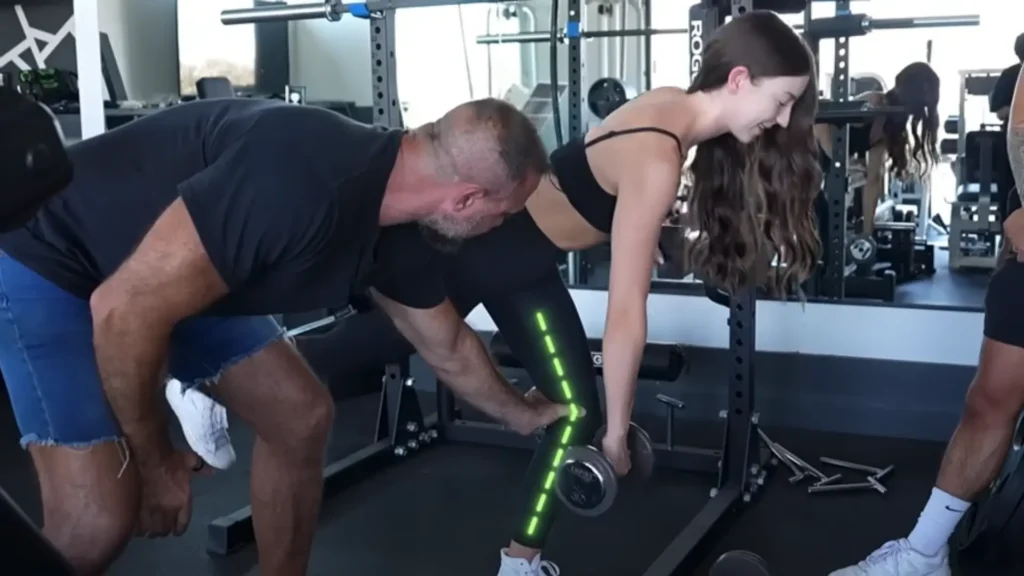
Bret’s point: this challenges the glutes as much as normal deadlifts but requires much less weight.
What Is The “Squeeze” Pattern For Glutes?
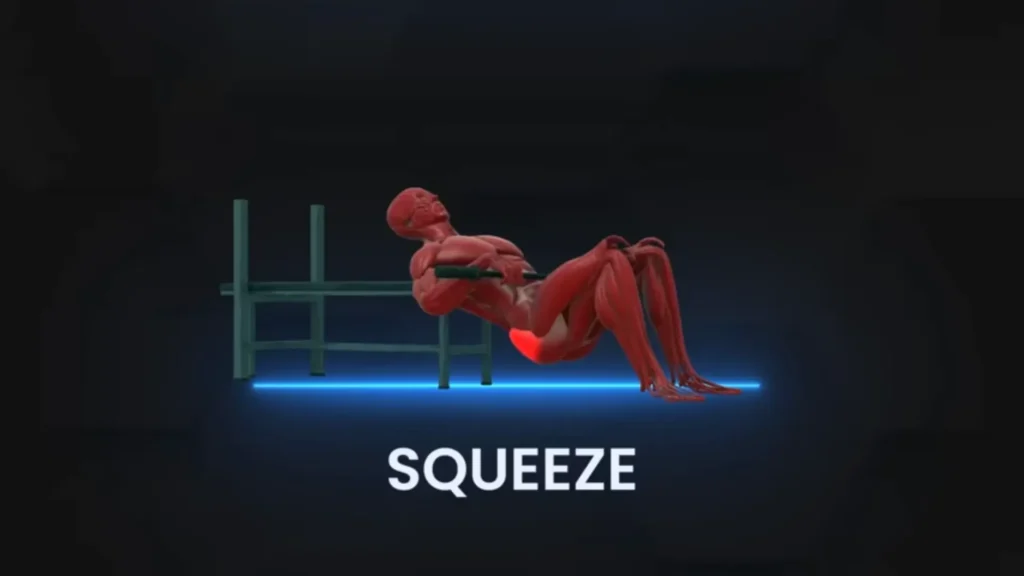
The squeeze pattern is where you finish by squeezing the glutes hard at the top. In this plan, that was the barbell hip thrust: the exercise Bret invented.
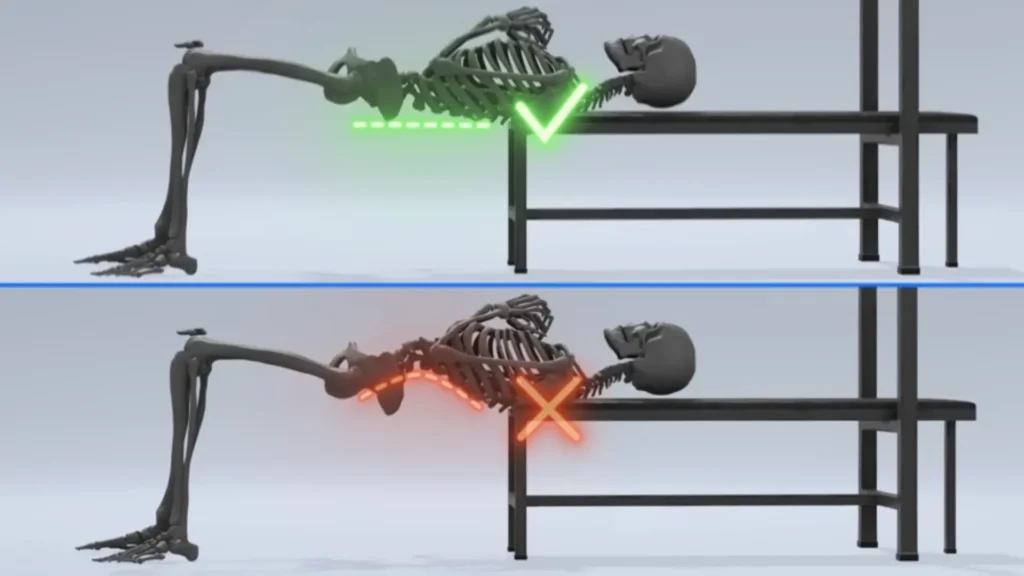
What Bret was watching for at the top is whether you’re overextending and creating pressure in the lower back (the most common cause of back pain on this exercise). To avoid it, he recommends the “scoop” method:
- Tuck your chin down
- Move from the chest down
- Tilt your pelvis up by squeezing your glutes
- Don’t chase height — you won’t get as high, and that’s the point
What Is The Abduction Pattern?
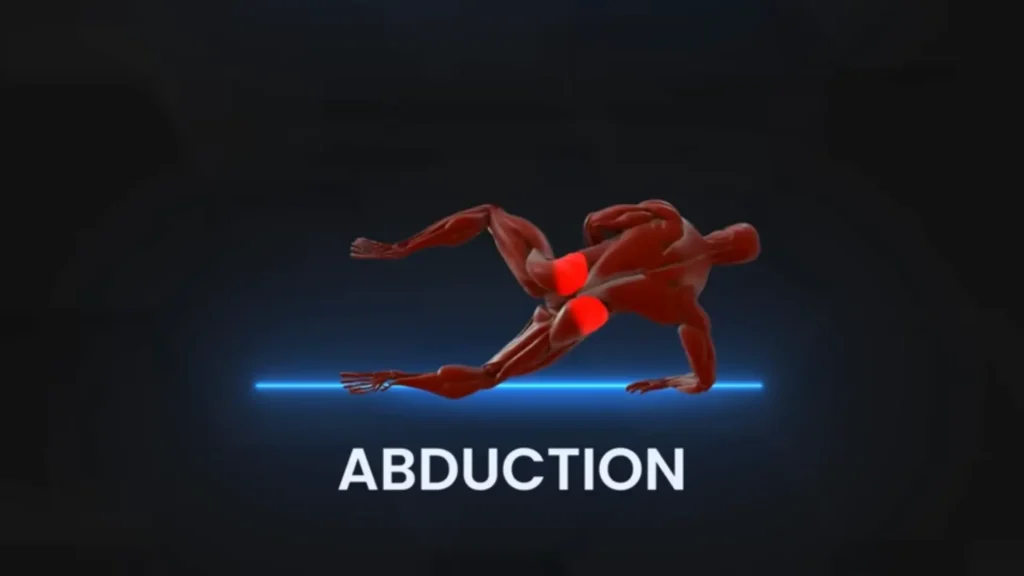
The abduction pattern is a hip abduction movement that rounds out glute training. Bret calls this “penalty free volume” — something you can add to the end without it beating you up.
And if your lower back is feeling off on anything:
- Put a band above your knees and do lateral band walks
- If you feel anything in the movement, stop
What Workout Did We Use To Get A Bigger Butt? The Exact 2-Day Plan
With the trip to Bret being a success, here’s the plan Tahnee used — training glutes twice per week and tracking it in the Built With Science app.
Tahnee's Bigger Butt Workout Plan
Tahnee — Legs Day 1
- Barbell hip thrust — 3 sets
- Glute-focused step-down — 3 sets
- Single-leg Romanian deadlift — 2 sets
- Hip abduction — 3 sets
Tahnee — Legs Day 2
- Hip abduction — 3 sets
- Glute-focused step-down — 2 sets
- Barbell hip thrust — 3 sets
- Single-leg Romanian deadlift — 3 sets
My Bigger Butt Plan
I stole some of the same exercises, but I still did heavy compound lifts like squats and deadlifts to see if that gave me a huge advantage after 90 days.
Jeremy — Legs Day 1
- Barbell hip thrust — 3 sets
- Barbell back squat — 3 sets
- Single-leg Romanian deadlift — 3 sets
- Lying leg curl — 3 sets
- Hip abduction — 3 sets
- Leg extensions — 3 sets
Jeremy — Legs Day 2
- Bulgarian split squats — 3 sets
- Hack squats — 3 sets
- Barbell Romanian deadlift — 3 sets
- Hip abduction — 4 sets
- Standing calf raises — 4 sets
How Did We Measure If Our Butt Got Bigger?
We used two baselines to determine if we indeed built a bigger butt: glute circumference and a performance test.
Baseline 1: Glute Circumference
On Day 1:
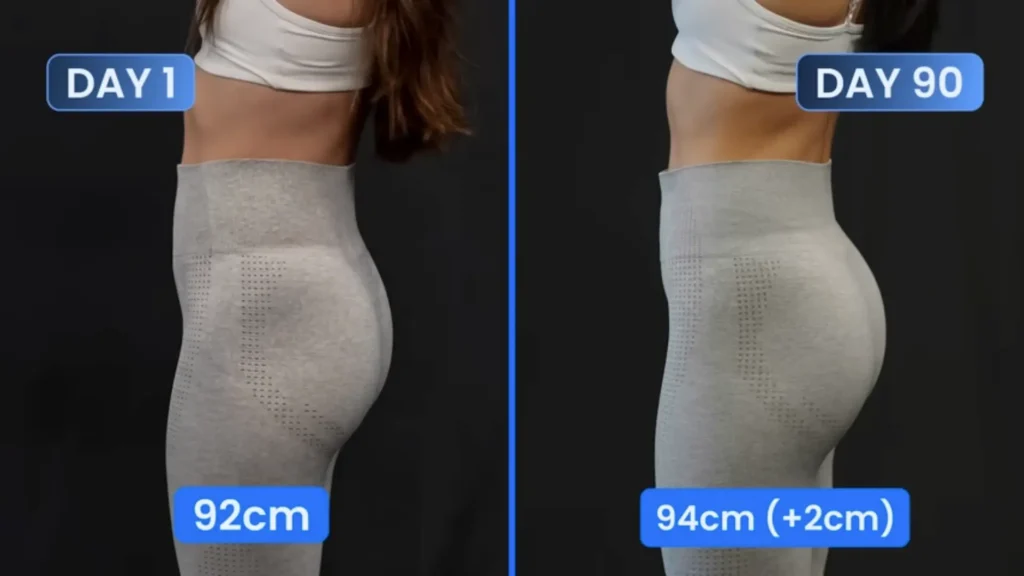
- Tahnee — 92cm
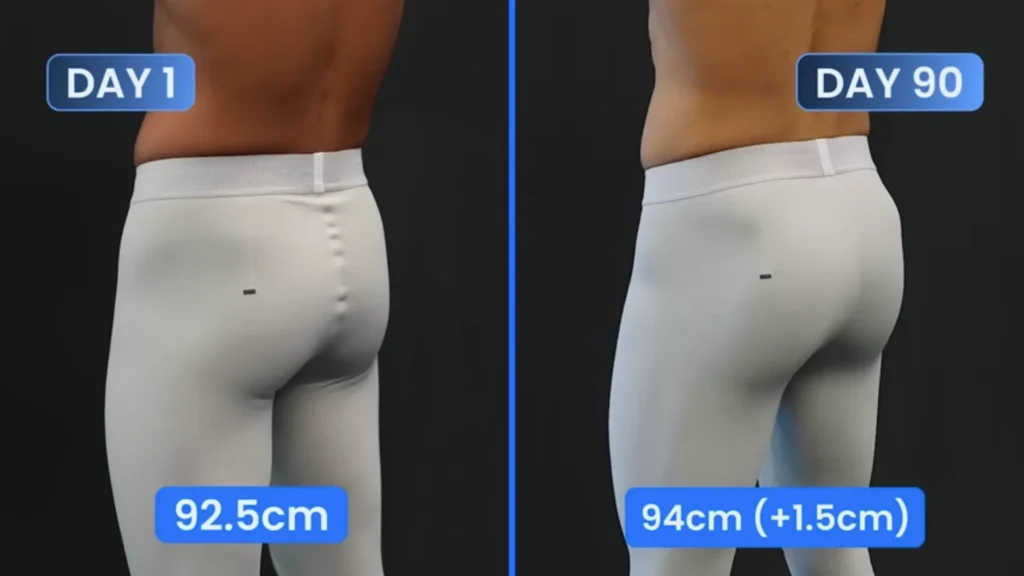
- Jeremy — 92.5cm
Baseline 2: Jump Performance
Most people think glutes are just about aesthetics, but they’re also one of the biggest drivers of power, speed, and force production. So I wanted to see if training my glutes more seriously would improve how high and how far I could jump without actually practicing jumping.
Week 1: Why Not Being Sore Doesn’t Mean It’s Not Working
Week 1 was rough.
For the past 6 months, I’d been lazy with glute training, so once we started pushing volume again, my glutes were struggling to keep up.
Tahnee had a different problem. When she used to do heavy squats and deadlifts, she’d get a lot of soreness — and she took that as a sign her glutes were growing. But with this new approach, she woke up feeling fine, which made her doubt whether it was working at all.
“I don’t feel as sore as before to be honest.”
Here’s the key point: Soreness isn’t a reliable indicator of growth. And this is part of why Bret chose several of these exercises — he’s found they don’t lead to nearly as much soreness or muscle damage as squats, deadlifts, or split squats, which can help you recover faster and feel less beat up.
Do Squats Give You a Testosterone Advantage?
Heavy squats can cause a 10%–20% spike in testosterone, and can even raise it higher than some other leg exercises like the leg press, but the effect only lasts around 15–45 minutes before returning to baseline.
So while squats can make you feel like an absolute beast, that short-lived spike wasn’t going to create a meaningful advantage here.
Weeks 2–4: Why The Real Bottlenecks Weren’t The Exercises
Even though the training plan was dialed, two real-world bottlenecks showed up fast.
Bottleneck 1: Fear Of Re-injury
Even when Tahnee did every exercise correctly, she was scared of pushing harder because she didn’t want to hurt her back again. At one point, her left glute felt like it was cramping — but it was also the side where she’s had issues, so it was hard to tell what was normal discomfort versus a warning sign.
She also admitted she skipped a warm-up set once and jumped straight into her working weight — the kind of habit that can re-injure you.
Bottleneck 2: Eating Enough
Tahnee struggled to eat enough, not because she wasn’t hungry, but because she was scared of gaining fat, especially around the time of the month when water weight can mess with your head. You can see the importance of eating enough calories when building muscle here.
On my side, my glutes started adapting to the new volume — and my squats started feeling smoother and stronger.
Are Squats Better Than Hip Thrusts For A Bigger Butt?
Not necessarily. Bret ran a study comparing squats against hip thrusts. Squats grew the quads and inner thighs more, but for glute growth, they were equal.
And based on Tahnee’s progress so far, it honestly started to feel like I was the one beginning to lag behind.
Week 3: The PR That Changed Everything
By Week 3, Tahnee started setting PRs again.
She hit 135lb on hip thrusts — a plate on each side — and she hadn’t done that weight in about six years. She knocked out 12 reps and said it felt really easy.
Why Tahnee Had Two Advantages
- Recovery advantage — Based on Bret’s experience, women seem to recover faster from lower body workouts than men and can train glutes with more volume and frequency. In real life, I felt it: when Tahnee was ready for her next workout, I still needed another day or two.
- Priority advantage — About 80% of Tahnee’s training was now dedicated purely to glutes, while I was still spreading volume across quads and upper body.
The 30-Day Check-In
Thirty days in, it was time to measure again.
When it was my turn, the result wasn’t what I expected: my glutes had also grown 1cm. We were tied.
The Next Bottleneck: Calories And Protein
Based on her tracking in the Built With Science app, Tahnee was averaging around 1,500 calories/day — still a bit short of her target — and she was having a hard time eating enough protein. If that continued, her progress could eventually stall.
So I cooked for her, and it turned into the first time in a while we actually sat down at home and enjoyed a meal together.
Can You Build A Bigger Butt On A Vegan Diet?
Yes, if protein is handled properly. A study compared vegans and omnivores eating 0.7g of protein per bodyweight per day. After 12 weeks, both groups built the same amount of muscle and strength.
Check out this article to learn more about using plant-based protein for muscle gain.
Which made me slightly less terrified of going vegan for 30 days… slightly.
Weeks 5–13: When More Volume Meets Old Injuries
Tahnee shifted to three leg days and one upper body day.
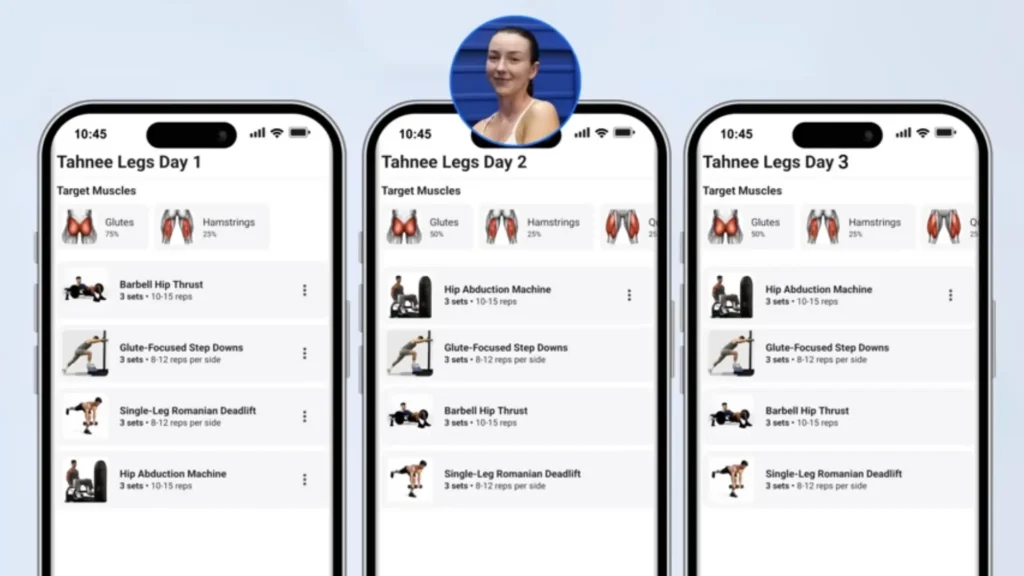
Up to then she’d been doing around 20 sets of glutes/week and making good progress. For clients who want the most growth possible, Bret takes weekly glute volume up to 30–40 sets/week — the extra volume seems to speed up growth — so Tahnee ramped from 2 to 3 days/week.
And that’s when the fear kicked in hard. She didn’t want to hurt her back, didn’t want to get frustrated, and didn’t want to let anyone down.
At first everything felt fine. Then tightness built in her left upper glute, then into her lower back. Eventually what we feared most happened — and we paused the challenge for a few days.
Do You Lose Muscle If You Take A Week Off?
Not usually. After a week off, Tahnee’s glutes looked and felt flatter, and she worried she was losing muscle. But the explanation was simpler: when you stop training for a week or two, your muscles store less glycogen — and because glycogen pulls water into the muscle, they look less full (like letting air out of a balloon).
Strength can dip too because you haven’t practiced your exercises. But research suggests it typically takes at least 3 weeks, and possibly longer, without training to start losing actual muscle.
Because we didn’t want her to hurt her back again, we dialed back training from 3 days/week to 2 days/week — and built ways to do the plan at home in the Built With Science app.
The Simplest Way To Start Getting A Bigger Butt
If you’ve been neglecting your glutes like I was, here’s the simplest start:
- Add 3 hard sets of hip thrusts to your leg days
- Stick with it for a few months
- Watch the carryover to your other exercises and how your glutes look
One week before the final results, we even took a trip to Hawaii to show off the glute gains.
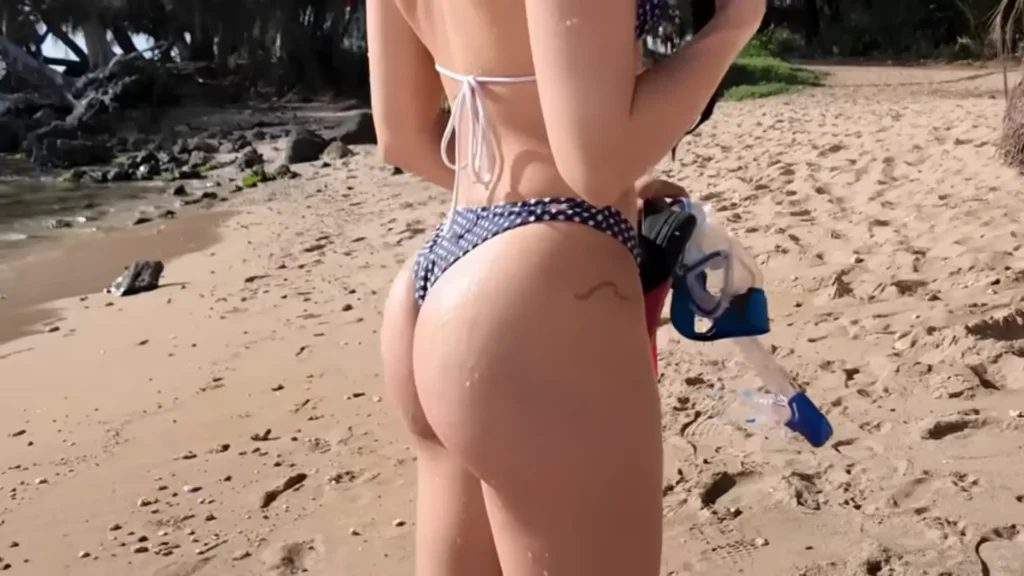
And on the final day, Tahnee hit another PR: two plates on hip thrusts for the first time ever.
Day 90: Did Getting A Bigger Butt Carry Over To Performance?
Did glute gains improve my jump performance?
My vertical jump was up by about 5cm, which was pretty impressive. Broad jump improved by 2cm — even though it was already “excellent” at baseline.
Final Takeaway: There’s No “Must-Do” Glute Exercise
Here's Tahnee's growth:
And here's mine:
In the end, this meant I had to go meatless for 30 days. But it also gave Tahnee and me more dinners together, so it still felt like a win.
More than anything, I’m proud of Tahnee. For the first time in her life, she hip-thrusted two plates — something she was probably capable of for a long time — and she did it without lifting crazy heavy for 90 days straight.
The bigger lesson is simple: there’s no “must-do” glute exercise for a bigger butt. What matters most is good form and choosing movements that actually fit your body.
That’s why we created the Built With Science app the way we did. Both mine and Tahnee’s workouts are in there, but the program adjusts based on how your body responds, so you’re not just copying someone else’s plan.
If you want to try it and build yourself a bigger butt, you can test it out free for two weeks — just hit the link below.
Click the button below to try the BWS+ app for 2 weeks, for free, no strings attached:
↓
By the way, here’s the article summed up into a YouTube video:

FAQ
How do you get a bigger butt?
Train your glutes consistently and cover the main movement patterns that grow them. In this experiment, that meant a lower body press, hinge, squeeze (hip thrust), and abduction. If squats/deadlifts bother your back, there are workarounds that still hit the same patterns.
Can you get a bigger butt without squats/deadlifts?
Yes. Tahnee trained for 90 days with no squats, no deadlifts, and no heavy spinal loading, and still managed to grow her glutes. The plan relied on step-downs, single-leg hinge work, hip thrusts, and abduction.
What exercises should you do if you want a bigger butt but your back is sensitive?
This plan used a glute-dominant step-up/step-down (press), single-leg dumbbell deadlift/RDL (hinge), barbell hip thrust (squeeze), and hip abduction (abduction). If your lower back feels off, use lateral band walks and stop if you feel anything in the movement.
How do you keep hip thrusts from hurting your lower back?
Avoid overextending at the top, because that can create pressure in the lower back. Use the “scoop” cue: tuck your chin, move from the chest down, and tilt your pelvis up by squeezing your glutes. You won’t get as high — and that’s the point.
How many sets per week did the plan use?
Tahnee was doing around 20 sets of glutes per week and making good progress. For clients who want the most growth possible, Bret sometimes takes weekly glute volume up to 30–40 sets/week. The idea is to scale volume based on recovery.
If you’re not sore, is it still working?
Yes. Tahnee felt less sore on this plan than when she used heavy squats and deadlifts, but soreness isn’t a reliable indicator of growth. The exercise choices were also meant to reduce soreness and muscle damage so she could recover faster and feel less beat up.
Can you build a bigger butt on a vegan diet?
Yes. A study compared vegans and omnivores eating the same protein target (0.7g per bodyweight per day) and found both groups built the same amount of muscle and strength over 12 weeks. The key is hitting the protein target consistently.
Do you lose your butt gains if you take a week off?
A week off can make muscles look less “full” because glycogen drops and water in the muscle decreases. Strength can dip too because you haven’t practiced your exercises. But the cited research suggests true muscle loss typically takes at least three weeks or more without training.